Israel’s
Israel’s
Israel’s
Independence Day
Independence Day
Independence Day
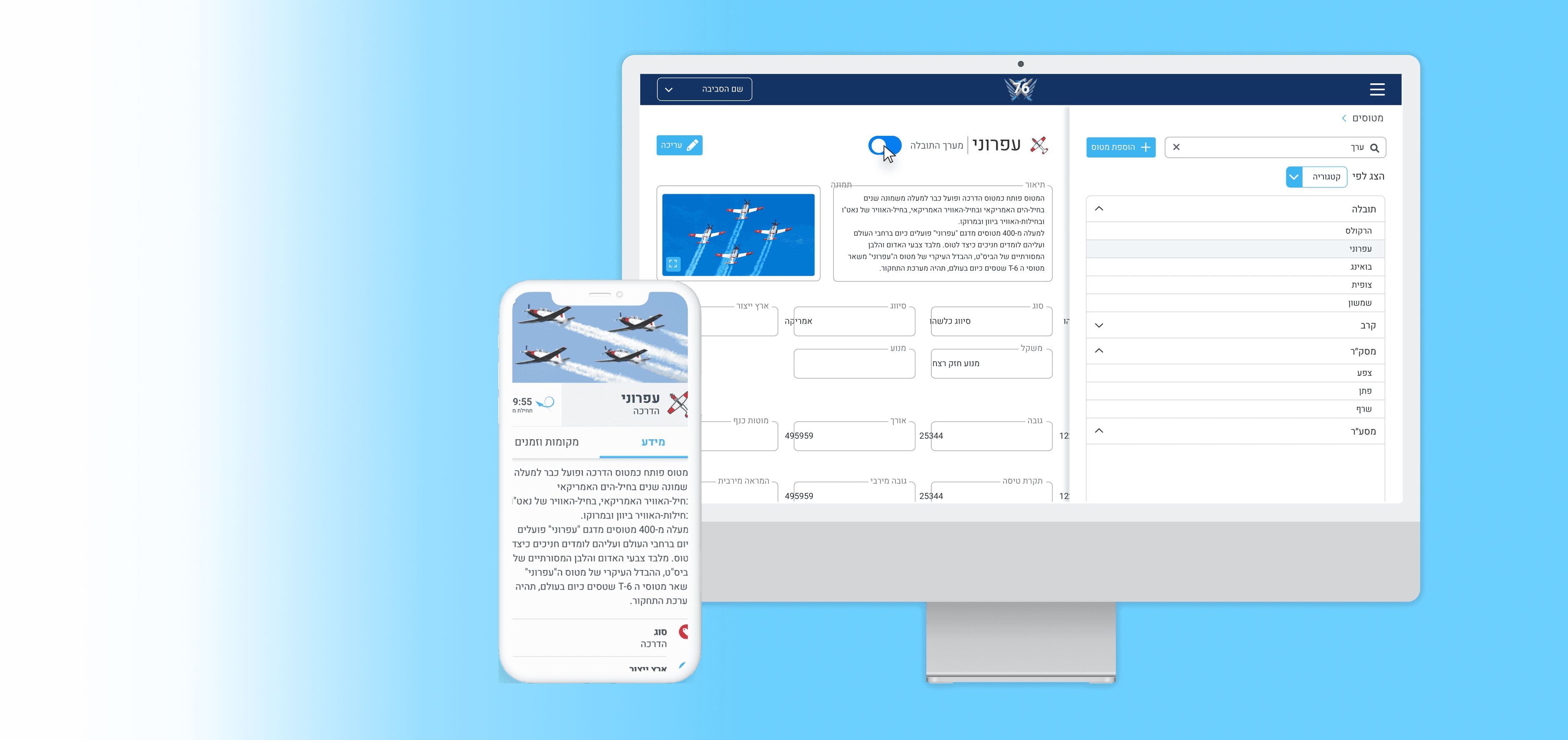
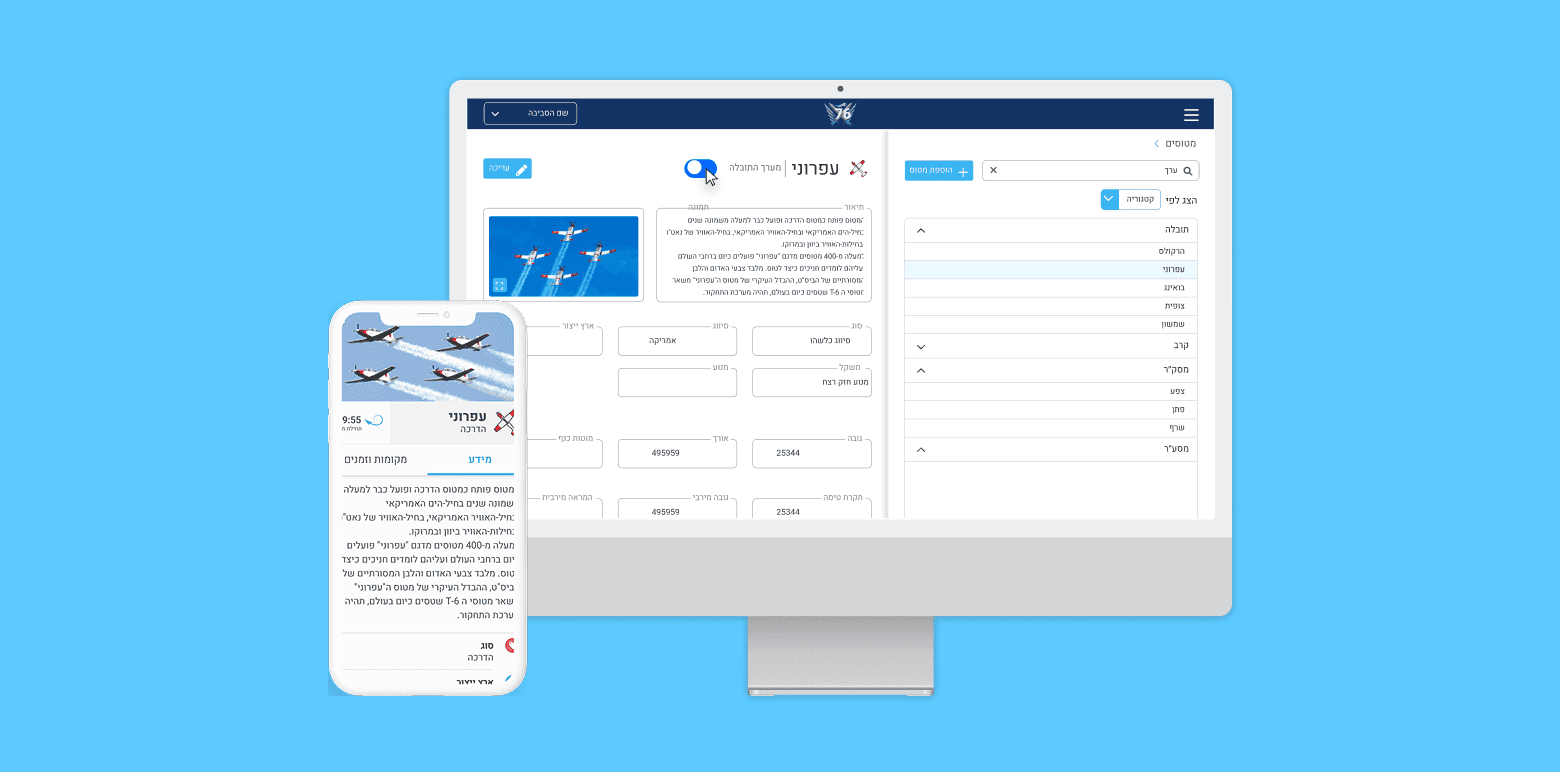
Management system that simplifies the process of coordinating and presenting the national event in real-time
Management system that simplifies the process of coordinating and presenting the national event in real-time
Management system that simplifies the process of coordinating and presenting the national event in real-time
UX/UI
UX/UI
B2B
B2B
New Feature
New Feature
Redesign
Redesign
Desktop
Desktop
TL;DR
TL;DR
TL;DR
Building the behind-the-scenes system to deliver the most up-to-date information to the entire country
Building the behind-the-scenes system to deliver the most up-to-date information to the entire country
Building the behind-the-scenes system to deliver the most up-to-date information to the entire country
Goal
Goal
Goal
To redesign a troubled interface that failed to meet user needs, creating a simple and accessible tool for real-time changes
To redesign a troubled interface that failed to meet user needs, creating a simple and accessible tool for real-time changes
To redesign a troubled interface that failed to meet user needs, creating a simple and accessible tool for real-time changes
My Role
My Role
My Role
Worked as the sole designer on this project, in collaboration with the product manager and dev team
Worked as the sole designer on this project, in collaboration with the product manager and dev team
Worked as the sole designer on this project, in collaboration with the product manager and dev team
The main application
The main application
The main application
What Is The “Matas” App?
What Is The “Matas” App?
What Is The “Matas” App?
Every year, on Israel's Independence Day, the IAF performs a large-scale flyover (מטס). This tradition, featuring over 100 aircrafts, has become an integral symbol of the holiday.
To enhance this experience for the public, my department developed a dedicated app and website that allows citizens to track the flyover in real-time, see which aircraft are participating, and find optimal viewing points.
The public's anticipation and excitement for the flyover grow each year, and our team dedicates months to its preparation. In its last use (2023), the system gained immense popularity, gaining over a million uses on the day of the flyover.
My role in this project was to design the system's management interface. At the core of this interface is a main critical feature called "תנועת מבנים", which allows the lead operator to publish real-time updates to flight schedules and delays. However, this management interface had a history of failure, undergoing several unsuccessful redesigns. When I took over the project, I realized a fundamental repair was needed, starting with in-depth research to finally create a reliable solution.
Every year, on Israel's Independence Day, the IAF performs a large-scale flyover (מטס). This tradition, featuring over 100 aircrafts, has become an integral symbol of the holiday.
To enhance this experience for the public, my department developed a dedicated app and website that allows citizens to track the flyover in real-time, see which aircraft are participating, and find optimal viewing points.
The public's anticipation and excitement for the flyover grow each year, and our team dedicates months to its preparation. In its last use (2023), the system gained immense popularity, gaining over a million uses on the day of the flyover.
My role in this project was to design the system's management interface. At the core of this interface is a main critical feature called "תנועת מבנים", which allows the lead operator to publish real-time updates to flight schedules and delays. However, this management interface had a history of failure, undergoing several unsuccessful redesigns. When I took over the project, I realized a fundamental repair was needed, starting with in-depth research to finally create a reliable solution.
Every year, on Israel's Independence Day, the IAF performs a large-scale flyover (מטס). This tradition, featuring over 100 aircrafts, has become an integral symbol of the holiday.
To enhance this experience for the public, my department developed a dedicated app and website that allows citizens to track the flyover in real-time, see which aircraft are participating, and find optimal viewing points.
The public's anticipation and excitement for the flyover grow each year, and our team dedicates months to its preparation. In its last use (2023), the system gained immense popularity, gaining over a million uses on the day of the flyover.
My role in this project was to design the system's management interface. At the core of this interface is a main critical feature called "תנועת מבנים", which allows the lead operator to publish real-time updates to flight schedules and delays. However, this management interface had a history of failure, undergoing several unsuccessful redesigns. When I took over the project, I realized a fundamental repair was needed, starting with in-depth research to finally create a reliable solution.

clapperboard
Behind the Scenes
Behind the Scenes
Behind the Scenes
The Flyover Management Process
The Flyover Management Process
The Flyover Management Process
While the public sees a finished schedule in the app, a lengthy and complex process takes place behind the scenes. The Israeli Air Force is composed of numerous squadrons, each managing different aircraft types. For months, the lead operator (and our interface's primary user) aggregates flight plans from these squadrons to create the flyover’s routes.
The lead officer defines points on a map to create a route. Each route is then assigned to specific formations of aircraft. It is crucial to note that all initial planning is done on a secure military network. My interface was designed to bridge this gap, enabling the seamless transfer and management of this information in the civilian environment.
Through the interface I designed, the lead officer can define routes and points, set arrival times for each formation, and, most importantly, manage them in real-time, a feature I will expand on later.
While the public sees a finished schedule in the app, a lengthy and complex process takes place behind the scenes. The Israeli Air Force is composed of numerous squadrons, each managing different aircraft types. For months, the lead operator (and our interface's primary user) aggregates flight plans from these squadrons to create the flyover’s routes.
The lead officer defines points on a map to create a route. Each route is then assigned to specific formations of aircraft. It is crucial to note that all initial planning is done on a secure military network. My interface was designed to bridge this gap, enabling the seamless transfer and management of this information in the civilian environment.
Through the interface I designed, the lead officer can define routes and points, set arrival times for each formation, and, most importantly, manage them in real-time, a feature I will expand on later.
While the public sees a finished schedule in the app, a lengthy and complex process takes place behind the scenes. The Israeli Air Force is composed of numerous squadrons, each managing different aircraft types. For months, the lead operator (and our interface's primary user) aggregates flight plans from these squadrons to create the flyover’s routes.
The lead officer defines points on a map to create a route. Each route is then assigned to specific formations of aircraft. It is crucial to note that all initial planning is done on a secure military network. My interface was designed to bridge this gap, enabling the seamless transfer and management of this information in the civilian environment.
Through the interface I designed, the lead officer can define routes and points, set arrival times for each formation, and, most importantly, manage them in real-time, a feature I will expand on later.

The Man, The Myth, The Legend
The Man, The Myth, The Legend
The Man, The Myth, The Legend
Our Main (and only) User
Our Main (and only) User
Our Main (and only) User
Our lead (and sole) user is the Head of the Flyover Operations. This officer, typically a UAV pilot in their mid-20s, serves in a staff role. It's important to note that this is a highly dynamic position, often rotating between flyovers, resulting in a high turnover rate for our lead user.
They are responsible for the logistical and operational planning of all flyover events for the year, from preparing the flight routes to the final schedule. The initial planning is conducted on military systems, and a key part of their role is ensuring the information is uniformly transferred to our civilian-facing interface.
Within the management interface, the officer's tasks include implementing small changes to route waypoints, route types, and participating aircraft. However, their primary and most critical task is to handle unexpected real-time changes during the flyover. This allows them to update users at viewing points with the precise location of each aircraft and its expected arrival time.
Our lead (and sole) user is the Head of the Flyover Operations. This officer, typically a UAV pilot in their mid-20s, serves in a staff role. It's important to note that this is a highly dynamic position, often rotating between flyovers, resulting in a high turnover rate for our lead user.
They are responsible for the logistical and operational planning of all flyover events for the year, from preparing the flight routes to the final schedule. The initial planning is conducted on military systems, and a key part of their role is ensuring the information is uniformly transferred to our civilian-facing interface.
Within the management interface, the officer's tasks include implementing small changes to route waypoints, route types, and participating aircraft. However, their primary and most critical task is to handle unexpected real-time changes during the flyover. This allows them to update users at viewing points with the precise location of each aircraft and its expected arrival time.
Our lead (and sole) user is the Head of the Flyover Operations. This officer, typically a UAV pilot in their mid-20s, serves in a staff role. It's important to note that this is a highly dynamic position, often rotating between flyovers, resulting in a high turnover rate for our lead user.
They are responsible for the logistical and operational planning of all flyover events for the year, from preparing the flight routes to the final schedule. The initial planning is conducted on military systems, and a key part of their role is ensuring the information is uniformly transferred to our civilian-facing interface.
Within the management interface, the officer's tasks include implementing small changes to route waypoints, route types, and participating aircraft. However, their primary and most critical task is to handle unexpected real-time changes during the flyover. This allows them to update users at viewing points with the precise location of each aircraft and its expected arrival time.
The Challenge
The Challenge
The Challenge
Despite the public-facing application's success and positive feedback, the project was challenged by the state of its behind-the-scenes management interface.
Despite the public-facing application's success and positive feedback, the project was challenged by the state of its behind-the-scenes management interface.
Despite the public-facing application's success and positive feedback, the project was challenged by the state of its behind-the-scenes management interface.
A History of Unsuccessful Interfaces
A History of Unsuccessful Interfaces
A History of Unsuccessful Interfaces
The system had a history of failure, suffering from several fundamental issues.
The initial management process had no UI, which required developers to make code changes for even minor updates.
To address this, a new interface was later created, but it was designed without any user research, based solely on personal assumptions. This resulted in a tool that was complex, non-intuitive, and ultimately unreliable, leaving a significant gap between the system and the user's actual needs.
The system had a history of failure, suffering from several fundamental issues.
The initial management process had no UI, which required developers to make code changes for even minor updates.
To address this, a new interface was later created, but it was designed without any user research, based solely on personal assumptions. This resulted in a tool that was complex, non-intuitive, and ultimately unreliable, leaving a significant gap between the system and the user's actual needs.
The system had a history of failure, suffering from several fundamental issues.
The initial management process had no UI, which required developers to make code changes for even minor updates.
To address this, a new interface was later created, but it was designed without any user research, based solely on personal assumptions. This resulted in a tool that was complex, non-intuitive, and ultimately unreliable, leaving a significant gap between the system and the user's actual needs.
The User Turnover Problem
The User Turnover Problem
The User Turnover Problem
A key challenge that plagued all previous versions was the high turnover rate for the lead operator. This is a highly dynamic position that rotates frequently.
The problem of user turnover became even more critical due to the war, which has led to a two-year cancellation of the flyover and left the role unassigned. As a result, there was no active user to work with or validate the designs in real-time.
This is the point at which I joined the project.
A key challenge that plagued all previous versions was the high turnover rate for the lead operator. This is a highly dynamic position that rotates frequently.
The problem of user turnover became even more critical due to the war, which has led to a two-year cancellation of the flyover and left the role unassigned. As a result, there was no active user to work with or validate the designs in real-time.
This is the point at which I joined the project.
A key challenge that plagued all previous versions was the high turnover rate for the lead operator. This is a highly dynamic position that rotates frequently.
The problem of user turnover became even more critical due to the war, which has led to a two-year cancellation of the flyover and left the role unassigned. As a result, there was no active user to work with or validate the designs in real-time.
This is the point at which I joined the project.
Now it’s time to Tackle The Unknown
Now it’s time to Tackle The Unknown
Now it’s time to Tackle The Unknown
Tackle The Unknown
Tackle The Unknown
Tackle The Unknown
Let’s go through my Planning and Research process
Let’s go through my Planning and Research process
Let’s go through my Planning and Research process

My Approach
My Approach
My Approach
I started the project by reviewing the existing project designs and previous specifications. While much of the system was built from straightforward generic forms, it quickly became clear that the "תנועת מבנים" feature was ambiguous and poorly documented.
This realization forced a crucial pivot in my process: instead of relying on the flawed specifications, I understood that a formal research process had never been conducted for this critical feature.
Knowing that I had no active lead user at the time, I decided to go directly to the source and conduct in-depth interviews with previous operators to truly understand their needs and challenges. This allowed me to embark on a mission to research the unknown, gathering the critical insights that would guide my redesign of this specific feature.
I started the project by reviewing the existing project designs and previous specifications. While much of the system was built from straightforward generic forms, it quickly became clear that the "תנועת מבנים" feature was ambiguous and poorly documented.
This realization forced a crucial pivot in my process: instead of relying on the flawed specifications, I understood that a formal research process had never been conducted for this critical feature.
Knowing that I had no active lead user at the time, I decided to go directly to the source and conduct in-depth interviews with previous operators to truly understand their needs and challenges. This allowed me to embark on a mission to research the unknown, gathering the critical insights that would guide my redesign of this specific feature.
I started the project by reviewing the existing project designs and previous specifications. While much of the system was built from straightforward generic forms, it quickly became clear that the "תנועת מבנים" feature was ambiguous and poorly documented.
This realization forced a crucial pivot in my process: instead of relying on the flawed specifications, I understood that a formal research process had never been conducted for this critical feature.
Knowing that I had no active lead user at the time, I decided to go directly to the source and conduct in-depth interviews with previous operators to truly understand their needs and challenges. This allowed me to embark on a mission to research the unknown, gathering the critical insights that would guide my redesign of this specific feature.
The difficult part is about to begin...
The difficult part is about to begin...
The difficult part is about to begin...
The Research Process
The Research Process
The Research Process
bullseye-arrow
Research Goal
Research Goal
Research Goal
To gain a deep understanding of the real-time process within the "תנועת מבנים" feature. I aimed to uncover what didn't work in the previous designs and how the process's efficiency could be significantly improved. The ultimate objective was to ensure the user had all the necessary support to perform their critical tasks seamlessly.
To gain a deep understanding of the real-time process within the "תנועת מבנים" feature. I aimed to uncover what didn't work in the previous designs and how the process's efficiency could be significantly improved. The ultimate objective was to ensure the user had all the necessary support to perform their critical tasks seamlessly.
To gain a deep understanding of the real-time process within the "תנועת מבנים" feature. I aimed to uncover what didn't work in the previous designs and how the process's efficiency could be significantly improved. The ultimate objective was to ensure the user had all the necessary support to perform their critical tasks seamlessly.
magnifying-glass
Research Method
Research Method
Research Method
My research was primarily based on qualitative user research to understand the root cause of the problems. I conducted in-depth interviews with two former lead operators who had managed the flyover over the past three years. They became my most reliable source of information, providing firsthand accounts of their experiences with the system. This allowed me to gather diverse perspectives and critical insights that were instrumental in shaping the final product.
My research was primarily based on qualitative user research to understand the root cause of the problems. I conducted in-depth interviews with two former lead operators who had managed the flyover over the past three years. They became my most reliable source of information, providing firsthand accounts of their experiences with the system. This allowed me to gather diverse perspectives and critical insights that were instrumental in shaping the final product.
My research was primarily based on qualitative user research to understand the root cause of the problems. I conducted in-depth interviews with two former lead operators who had managed the flyover over the past three years. They became my most reliable source of information, providing firsthand accounts of their experiences with the system. This allowed me to gather diverse perspectives and critical insights that were instrumental in shaping the final product.
Key Insights
Key Insights
Key Insights
The qualitative research process was insightful. Through direct conversations with the individuals who knew the system best, I was able to move beyond assumptions and uncover the true pain points and critical needs that were not addressed by the previous design. This deep dive allowed me to extract a clear set of actionable insights that would serve as the foundation for the entire redesign.
The qualitative research process was insightful. Through direct conversations with the individuals who knew the system best, I was able to move beyond assumptions and uncover the true pain points and critical needs that were not addressed by the previous design. This deep dive allowed me to extract a clear set of actionable insights that would serve as the foundation for the entire redesign.
The qualitative research process was insightful. Through direct conversations with the individuals who knew the system best, I was able to move beyond assumptions and uncover the true pain points and critical needs that were not addressed by the previous design. This deep dive allowed me to extract a clear set of actionable insights that would serve as the foundation for the entire redesign.
The Critical Need for Real-Time Action
The Critical Need for Real-Time Action
The Critical Need for Real-Time Action
The previous system wasn’t built for a high-pressure, time-sensitive environment. Unexpected changes, like delays or early arrivals, were nearly impossible to adjust quickly. My research showed that the redesigned system must prioritize agility, allowing users to perform critical updates with no friction to ensure data accuracy.
The previous system wasn’t built for a high-pressure, time-sensitive environment. Unexpected changes, like delays or early arrivals, were nearly impossible to adjust quickly. My research showed that the redesigned system must prioritize agility, allowing users to perform critical updates with no friction to ensure data accuracy.
The previous system wasn’t built for a high-pressure, time-sensitive environment. Unexpected changes, like delays or early arrivals, were nearly impossible to adjust quickly. My research showed that the redesigned system must prioritize agility, allowing users to perform critical updates with no friction to ensure data accuracy.
The Importance of Multiple Perspectives
The Importance of Multiple Perspectives
The Importance of Multiple Perspectives
Operators tasks are highly complex, but the previous design offered only a limited, single perspective. The research revealed a critical need for customizable and dynamic viewpoints, enabling users to see the routes from various angles. for example, visualizing the sequence of all aircraft or tracking synchronization points.
Operators tasks are highly complex, but the previous design offered only a limited, single perspective. The research revealed a critical need for customizable and dynamic viewpoints, enabling users to see the routes from various angles. for example, visualizing the sequence of all aircraft or tracking synchronization points.
Operators tasks are highly complex, but the previous design offered only a limited, single perspective. The research revealed a critical need for customizable and dynamic viewpoints, enabling users to see the routes from various angles. for example, visualizing the sequence of all aircraft or tracking synchronization points.
This is it!
This is it!
This is it!
The Solution
The Solution
The Solution
To fully appreciate the solution, it's essential to understand the transformation. I will now present the significant changes we made to the interface, detailing how we expanded the feature from its initial, limited state to the comprehensive and finished product you see today.
To fully appreciate the solution, it's essential to understand the transformation. I will now present the significant changes we made to the interface, detailing how we expanded the feature from its initial, limited state to the comprehensive and finished product you see today.
To fully appreciate the solution, it's essential to understand the transformation. I will now present the significant changes we made to the interface, detailing how we expanded the feature from its initial, limited state to the comprehensive and finished product you see today.
Before:
Before:
Before:
The Previous UI
The Previous UI
The Previous UI
The evolution of the flyover management system began with two previous versions, each attempting to solve a different problem but ultimately falling short.
The evolution of the flyover management system began with two previous versions, each attempting to solve a different problem but ultimately falling short.
The evolution of the flyover management system began with two previous versions, each attempting to solve a different problem but ultimately falling short.
Version A
Excel Spreadsheet
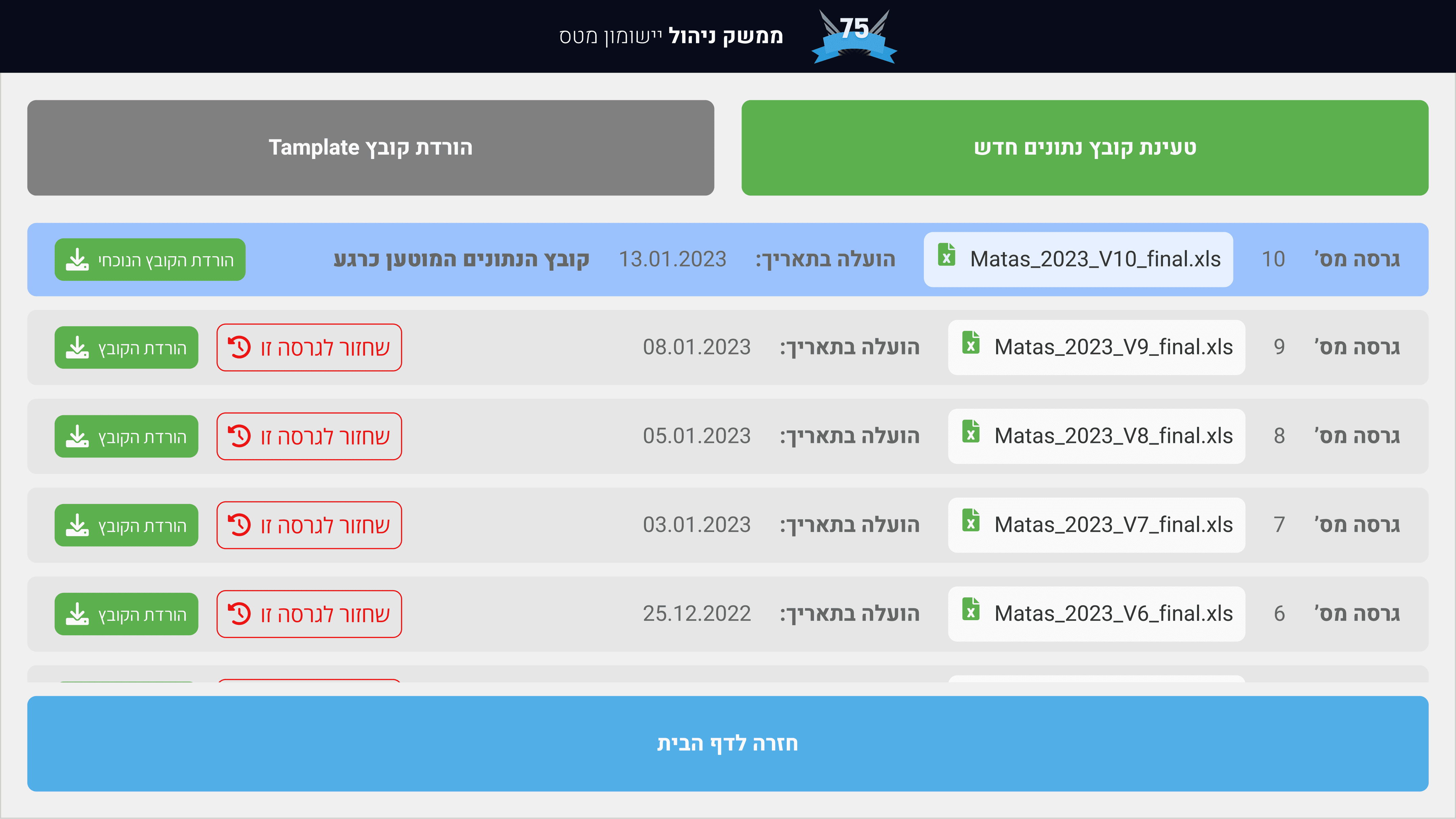
The initial version of the management tool was a simple, multi-page Excel spreadsheet. It included a sheet for each aircraft type, each waypoint, and a dedicated sheet for each specific route.
circle-question
How it worked
The operator would load the Excel file at the start of the flyover. Any changes, such as route adjustments, required the operator to make manual edits directly on the spreadsheet and then re-upload the entire file.
circle-minus
What was missing
The system lacked any real-time functionality. It operated with fixed time intervals that did not reflect reality, making it impossible to implement or view time changes during the route. This created a significant time gap and led to an inaccurate representation of the flyover.
chevron-left
1/2
chevron-right
Version A
Excel Spreadsheet
The initial version of the management tool was a simple, multi-page Excel spreadsheet. It included a sheet for each aircraft type, each waypoint, and a dedicated sheet for each specific route.
circle-question
How it worked
The operator would load the Excel file at the start of the flyover. Any changes, such as route adjustments, required the operator to make manual edits directly on the spreadsheet and then re-upload the entire file.
circle-minus
What was missing
The system lacked any real-time functionality. It operated with fixed time intervals that did not reflect reality, making it impossible to implement or view time changes during the route. This created a significant time gap and led to an inaccurate representation of the flyover.
chevron-left
1/2
chevron-right
Version A
Excel Spreadsheet
The initial version of the management tool was a simple, multi-page Excel spreadsheet. It included a sheet for each aircraft type, each waypoint, and a dedicated sheet for each specific route.
circle-question
How it worked
The operator would load the Excel file at the start of the flyover. Any changes, such as route adjustments, required the operator to make manual edits directly on the spreadsheet and then re-upload the entire file.
circle-minus
What was missing
The system lacked any real-time functionality. It operated with fixed time intervals that did not reflect reality, making it impossible to implement or view time changes during the route. This created a significant time gap and led to an inaccurate representation of the flyover.
chevron-left
1/2
chevron-right
After:
After:
After:
The New Interface
The New Interface
The New Interface
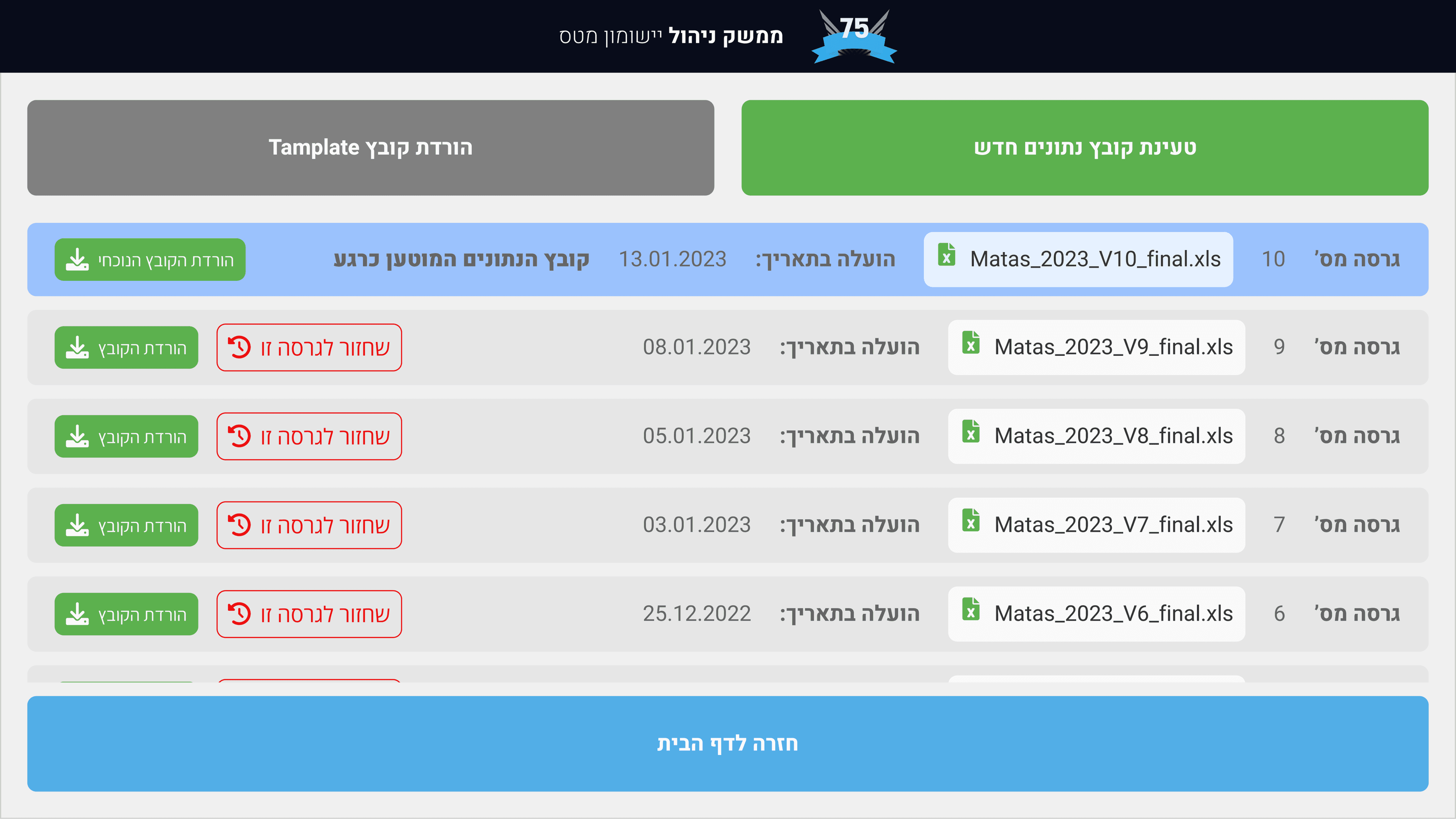
Following an intensive research and design process, I transformed the outdated system into a comprehensive management ecosystem. By prioritizing agility and real-time updates, the new interface empowers operators to handle high-pressure scenarios with ease, ensuring that every critical change is instantly reflected and synchronized.
Following an intensive research and design process, I transformed the outdated system into a comprehensive management ecosystem. By prioritizing agility and real-time updates, the new interface empowers operators to handle high-pressure scenarios with ease, ensuring that every critical change is instantly reflected and synchronized.
Following an intensive research and design process, I transformed the outdated system into a comprehensive management ecosystem. By prioritizing agility and real-time updates, the new interface empowers operators to handle high-pressure scenarios with ease, ensuring that every critical change is instantly reflected and synchronized.
Note:
For the best experience, viewing the prototype on a desktop screen is better
System Overview
System Overview
System Overview
This prototype introduces the overall system flow. It demonstrates the process of manually adding or adjusting "Waypoints" (N.Z.) just days before the event. While the core data is imported from classified military systems, this interface provides the flexibility to fine-tune the public-facing map, ensuring total alignment between operational planning and the civilian experience.
Note: The interactive map components shown in these prototypes are for visualization purposes only. The production-ready mapping engine is integrated within the secure operational network and cannot be shown here
This prototype introduces the overall system flow. It demonstrates the process of manually adding or adjusting "Waypoints" (N.Z.) just days before the event. While the core data is imported from classified military systems, this interface provides the flexibility to fine-tune the public-facing map, ensuring total alignment between operational planning and the civilian experience.
Note: The interactive map components shown in these prototypes are for visualization purposes only. The production-ready mapping engine is integrated within the secure operational network and cannot be shown here
This prototype introduces the overall system flow. It demonstrates the process of manually adding or adjusting "Waypoints" (N.Z.) just days before the event. While the core data is imported from classified military systems, this interface provides the flexibility to fine-tune the public-facing map, ensuring total alignment between operational planning and the civilian experience.
Note: The interactive map components shown in these prototypes are for visualization purposes only. The production-ready mapping engine is integrated within the secure operational network and cannot be shown here
The 'Queue' Perspective
The 'Queue' Perspective
The 'Queue' Perspective
Real-Time Sync
To address the critical need for real-time agility, this view offers a "top-down" look at specific flight paths. Managers can monitor every aircraft's exact position and status. The core innovation here is the "T +/-" feature: a single action that allows operators to implement delays or advancements across the entire formation. This ensures that a single technical delay is instantly reflected across the timeline, keeping the public informed without friction.
Note: The interactive map components shown in these prototypes are for visualization purposes only. The production-ready mapping engine is integrated within the secure operational network and cannot be shown here
To address the critical need for real-time agility, this view offers a "top-down" look at specific flight paths. Managers can monitor every aircraft's exact position and status. The core innovation here is the "T +/-" feature: a single action that allows operators to implement delays or advancements across the entire formation. This ensures that a single technical delay is instantly reflected across the timeline, keeping the public informed without friction.
Note: The interactive map components shown in these prototypes are for visualization purposes only. The production-ready mapping engine is integrated within the secure operational network and cannot be shown here
To address the critical need for real-time agility, this view offers a "top-down" look at specific flight paths. Managers can monitor every aircraft's exact position and status. The core innovation here is the "T +/-" feature: a single action that allows operators to implement delays or advancements across the entire formation. This ensures that a single technical delay is instantly reflected across the timeline, keeping the public informed without friction.
Note: The interactive map components shown in these prototypes are for visualization purposes only. The production-ready mapping engine is integrated within the secure operational network and cannot be shown here
The 'Waypoint' Perspective
The 'Waypoint' Perspective
The 'Waypoint' Perspective
Ensuring Order
High-pressure environments require dynamic viewpoints. This prototype visualizes the flyover from the perspective of a specific location (N.Z). By monitoring all intersecting flight paths at a single point, operators can identify and prevent scheduling overlaps. This ensures a smooth, safe, and organized sequence, maintaining the integrity of the flyover’s complex schedule.
Note: The interactive map components shown in these prototypes are for visualization purposes only. The production-ready mapping engine is integrated within the secure operational network and cannot be shown here
High-pressure environments require dynamic viewpoints. This prototype visualizes the flyover from the perspective of a specific location (N.Z). By monitoring all intersecting flight paths at a single point, operators can identify and prevent scheduling overlaps. This ensures a smooth, safe, and organized sequence, maintaining the integrity of the flyover’s complex schedule.
Note: The interactive map components shown in these prototypes are for visualization purposes only. The production-ready mapping engine is integrated within the secure operational network and cannot be shown here
High-pressure environments require dynamic viewpoints. This prototype visualizes the flyover from the perspective of a specific location (N.Z). By monitoring all intersecting flight paths at a single point, operators can identify and prevent scheduling overlaps. This ensures a smooth, safe, and organized sequence, maintaining the integrity of the flyover’s complex schedule.
Note: The interactive map components shown in these prototypes are for visualization purposes only. The production-ready mapping engine is integrated within the secure operational network and cannot be shown here
The 'Formation' Perspective
The 'Formation' Perspective
The 'Formation' Perspective
Precision Path Customization
Moving beyond assumptions, this view allows for granular control over individual aircraft. We introduced a dedicated "Acrobatic Stop" feature, solving a major pain point where operators previously had to "fudge" time data.
Note: The interactive map components shown in these prototypes are for visualization purposes only. The production-ready mapping engine is integrated within the secure operational network and cannot be shown here
Moving beyond assumptions, this view allows for granular control over individual aircraft. We introduced a dedicated "Acrobatic Stop" feature, solving a major pain point where operators previously had to "fudge" time data.
Note: The interactive map components shown in these prototypes are for visualization purposes only. The production-ready mapping engine is integrated within the secure operational network and cannot be shown here
Moving beyond assumptions, this view allows for granular control over individual aircraft. We introduced a dedicated "Acrobatic Stop" feature, solving a major pain point where operators previously had to "fudge" time data.
Note: The interactive map components shown in these prototypes are for visualization purposes only. The production-ready mapping engine is integrated within the secure operational network and cannot be shown here
Did it pass the reality test?
Did it pass the reality test?
Did it pass the reality test?
Reflection
Reflection
Reflection
We are still waiting to find out. Due to the ongoing war, the IAF Flyover has not taken place for three years. I remain hopeful that my work will prove its worth on our next Independence Day!
While the final launch is pending, the system was thoroughly tested and presented to the officers who participated in the research phase. The feedback was positive, validating that the new interface effectively addresses the critical need for agility and real-time synchronization.
This was a deeply meaningful project, designed to impact millions of citizens behind the scenes. It challenged me to find creative solutions and build a mission-critical process without direct access to the primary end-user during every stage. I believe I have done my utmost to ensure this system simplifies complexity when it matters most.
See you at the next flyover!
We are still waiting to find out. Due to the ongoing war, the IAF Flyover has not taken place for three years. I remain hopeful that my work will prove its worth on our next Independence Day!
While the final launch is pending, the system was thoroughly tested and presented to the officers who participated in the research phase. The feedback was positive, validating that the new interface effectively addresses the critical need for agility and real-time synchronization.
This was a deeply meaningful project, designed to impact millions of citizens behind the scenes. It challenged me to find creative solutions and build a mission-critical process without direct access to the primary end-user during every stage. I believe I have done my utmost to ensure this system simplifies complexity when it matters most.
See you at the next flyover!
Let’s make some magic together!
Feel free to reach out for any questions or collabs :)
copyright
2025 Ziv Avni - All rights reserved
Let’s make some magic together!
Feel free to reach out for any questions or collabs :)
copyright
2025 Ziv Avni - All rights reserved
Let’s make some magic together!
Feel free to reach out for any questions or collabs :)
copyright
2025 Ziv Avni - All rights reserved