OFEX
OFEX
OFEX
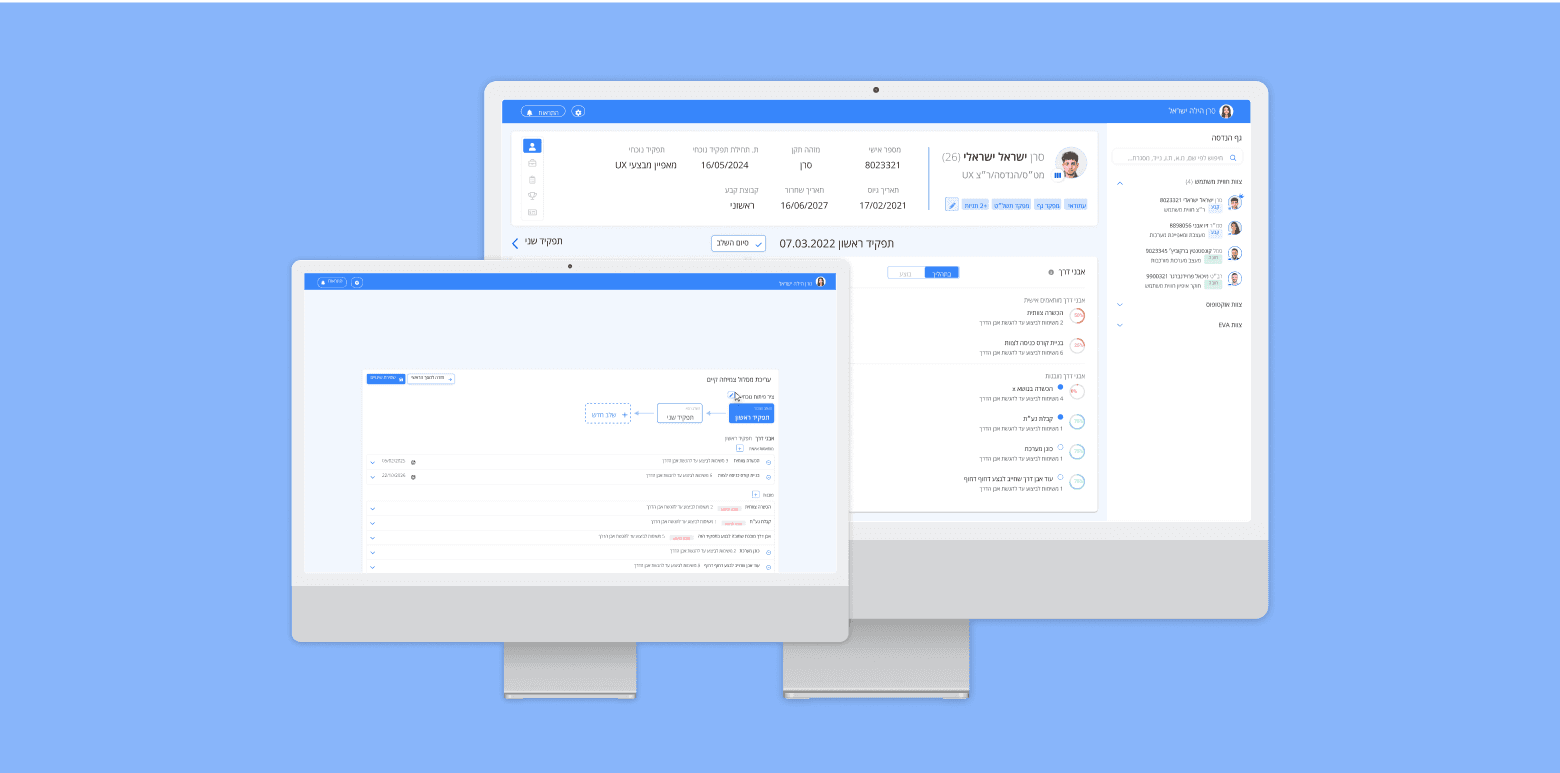
Transforming officer career development with intuitive goal setting and progress monitoring
Transforming officer career development with intuitive goal setting and progress monitoring
Transforming officer career development with intuitive goal setting and progress monitoring
UX/UI
UX/UI
B2B
B2B
New Product
New Product
Desktop
Desktop
TL;DR
TL;DR
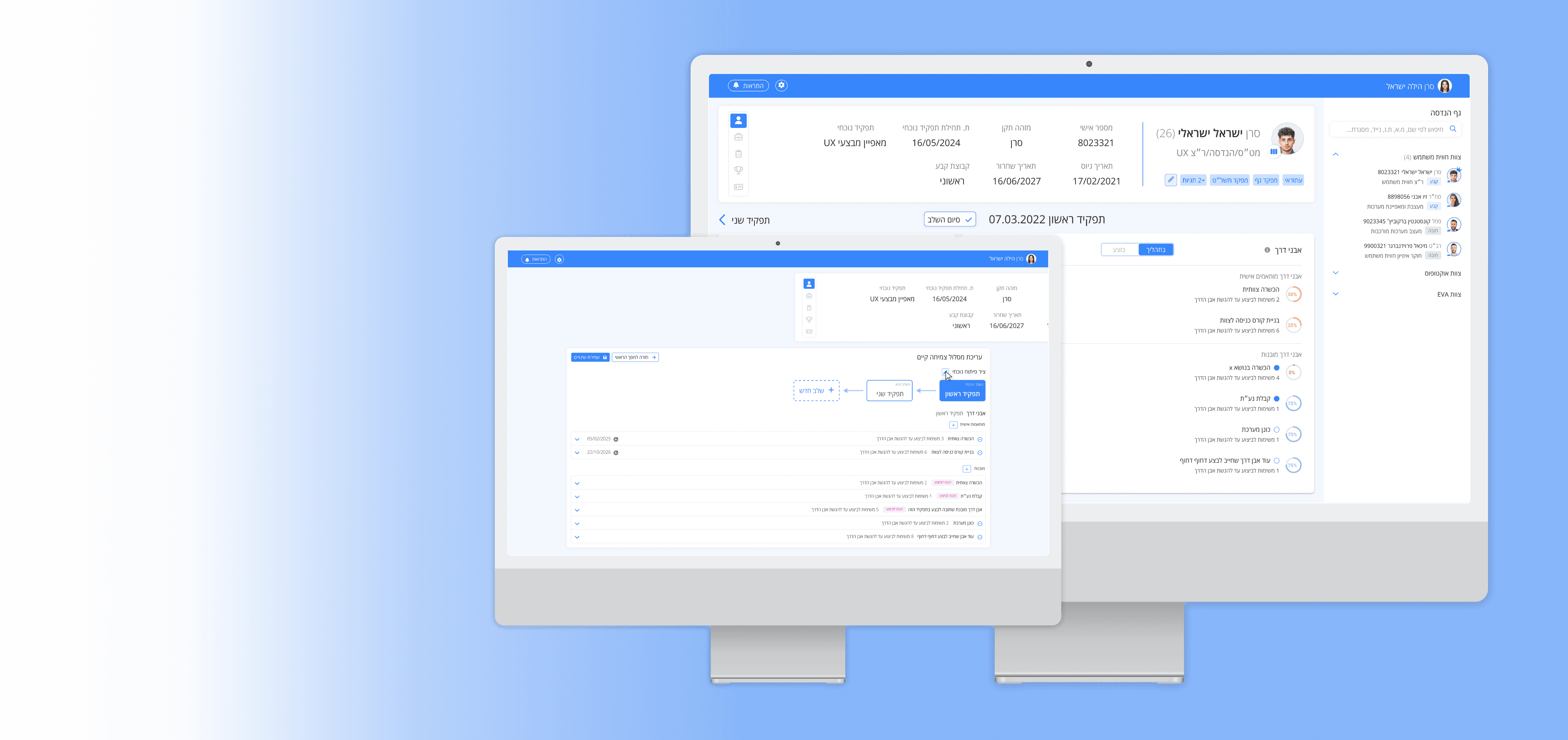
Officers manage careers better with Ofex: Set milestones, track progress, get continuous feedback. No more long yearly forms
Officers manage careers better with Ofex: Set milestones, track progress, get continuous feedback. No more long yearly forms
Goal
Goal
modernize and improve the efficiency and effectiveness of career management for officers within a military unit
modernize and improve the efficiency and effectiveness of career management for officers within a military unit
My Role
My Role
Worked as the sole designer for nearly a year and continue to do so, in collaboration with the product manager and dev team
Worked as the sole designer for nearly a year and continue to do so, in collaboration with the product manager and dev team
What Is Ofex?
What Is Ofex?
What Is Ofex?
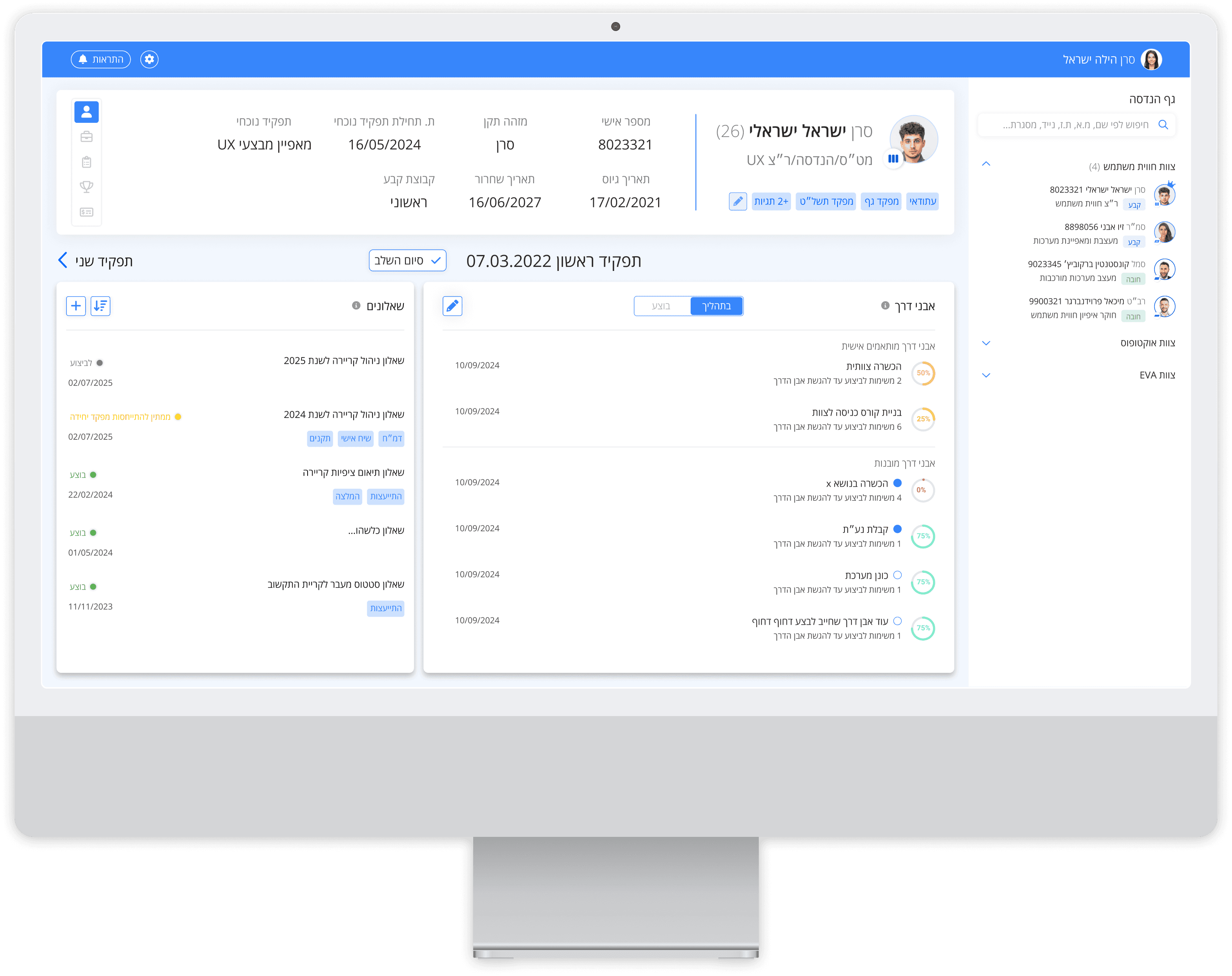
“Ofex” is a career management system designed for officers within my military unit.
The system facilitates the setting and tracking of career milestones, known as "stepping stones" (״אבני דרך״), through the completion of targeted tasks. These milestones represent significant events in an officer's service that impact their career progression.
Ofex was born from the idea to replace an outdated management method used within the unit. The old process, known as 'Pituah Ha-Prat' (׳פיתוח הפרט׳), required soldiers to complete a lengthy form once a year. In this form, they detailed their achievements from the past year, discussed their strengths and weaknesses, set goals for themselves in various areas (professional, personal, and command), and addressed their progress from the previous form – whether they met their stated goals.
To address the root of the issue and revitalize the career management process within the unit, we recruited soldiers from all levels of the chain of command, team leaders, senior commanders, and engineers, to thoroughly investigate this crucial process
“Ofex” is a career management system designed for officers within my military unit.
The system facilitates the setting and tracking of career milestones, known as "stepping stones" (״אבני דרך״), through the completion of targeted tasks. These milestones represent significant events in an officer's service that impact their career progression.
Ofex was born from the idea to replace an outdated management method used within the unit. The old process, known as 'Pituah Ha-Prat' (׳פיתוח הפרט׳), required soldiers to complete a lengthy form once a year. In this form, they detailed their achievements from the past year, discussed their strengths and weaknesses, set goals for themselves in various areas (professional, personal, and command), and addressed their progress from the previous form – whether they met their stated goals.
To address the root of the issue and revitalize the career management process within the unit, we recruited soldiers from all levels of the chain of command, team leaders, senior commanders, and engineers, to thoroughly investigate this crucial process
“Ofex” is a career management system designed for officers within my military unit.
The system facilitates the setting and tracking of career milestones, known as "stepping stones" (״אבני דרך״), through the completion of targeted tasks. These milestones represent significant events in an officer's service that impact their career progression.
Ofex was born from the idea to replace an outdated management method used within the unit. The old process, known as 'Pituah Ha-Prat' (׳פיתוח הפרט׳), required soldiers to complete a lengthy form once a year. In this form, they detailed their achievements from the past year, discussed their strengths and weaknesses, set goals for themselves in various areas (professional, personal, and command), and addressed their progress from the previous form – whether they met their stated goals.
To address the root of the issue and revitalize the career management process within the unit, we recruited soldiers from all levels of the chain of command, team leaders, senior commanders, and engineers, to thoroughly investigate this crucial process
The Problem
The Problem
The Problem
The previous process had a few main problems in it that needed a solution
The previous process had a few main problems in it that needed a solution
The previous process had a few main problems in it that needed a solution
1
Lack of Engagement and Seriousness
Lack of Engagement and Seriousness
Lack of Engagement and Seriousness
The process wasn't taken seriously by soldiers and commanders.
It was viewed as a burden and soldiers didn't invest time in completing it thoughtfully, making the mechanism ineffective.
Commanders also failed to monitor their soldiers' progress, and instead of motivating serious responses, they often delayed the submission of the form
The process wasn't taken seriously by soldiers and commanders.
It was viewed as a burden and soldiers didn't invest time in completing it thoughtfully, making the mechanism ineffective.
Commanders also failed to monitor their soldiers' progress, and instead of motivating serious responses, they often delayed the submission of the form
The process wasn't taken seriously by soldiers and commanders.
It was viewed as a burden and soldiers didn't invest time in completing it thoughtfully, making the mechanism ineffective.
Commanders also failed to monitor their soldiers' progress, and instead of motivating serious responses, they often delayed the submission of the form
2
Long and Non-Personalized Forms
Long and Non-Personalized Forms
Long and Non-Personalized Forms
The form was excessively long, containing at least 20 questions. It wasn't tailored to specific populations. All soldiers received the same questions, despite having diverse backgrounds and roles
The form was excessively long, containing at least 20 questions. It wasn't tailored to specific populations. All soldiers received the same questions, despite having diverse backgrounds and roles
The form was excessively long, containing at least 20 questions. It wasn't tailored to specific populations. All soldiers received the same questions, despite having diverse backgrounds and roles
It Only Happened Once A Year
It Only Happened Once A Year
It Only Happened Once A Year
A lot can change within a year, especially in the military, where things are highly dynamic. Often, the goals and discussions from the beginning of the year were no longer relevant by the time the next questionnaire came around
A lot can change within a year, especially in the military, where things are highly dynamic. Often, the goals and discussions from the beginning of the year were no longer relevant by the time the next questionnaire came around
A lot can change within a year, especially in the military, where things are highly dynamic. Often, the goals and discussions from the beginning of the year were no longer relevant by the time the next questionnaire came around
3
Hold On!
Hold On!
Hold On!
Hold On!
Before we get to the solution, let’s talk about the thinking process and how we tackled the mission!
Before we get to the solution, let’s talk about the thinking process and how we tackled the mission!
Before we get to the solution, let’s talk about the thinking process and how we tackled the mission!
The Initial Approach
The Initial Approach
The Initial Approach
Let's rewind a bit. When these problems first emerged, the initial idea to fix the existing flow, was to simply add another form during the year.
However, given the issues we've already mentioned – the excessive length, lack of personalization, and general disengagement from the annual form – it quickly became clear that this wouldn't be an optimal solution. Doubling down on a flawed process would only worsen the existing frustrations, not solve them.
At this critical turning point, a Product Manager was brought on board. They recognized the need to address the problem from its root and initiated a completely new project to fundamentally improve how officers were evaluated within the unit. This marked the true beginning of Ofex. I was then recruited to the project, and together, we began exploring how to deliver the most effective and user-centric product to meet our users' needs
Let's rewind a bit. When these problems first emerged, the initial idea to fix the existing flow, was to simply add another form during the year.
However, given the issues we've already mentioned – the excessive length, lack of personalization, and general disengagement from the annual form – it quickly became clear that this wouldn't be an optimal solution. Doubling down on a flawed process would only worsen the existing frustrations, not solve them.
At this critical turning point, a Product Manager was brought on board. They recognized the need to address the problem from its root and initiated a completely new project to fundamentally improve how officers were evaluated within the unit. This marked the true beginning of Ofex. I was then recruited to the project, and together, we began exploring how to deliver the most effective and user-centric product to meet our users' needs
Let's rewind a bit. When these problems first emerged, the initial idea to fix the existing flow, was to simply add another form during the year.
However, given the issues we've already mentioned – the excessive length, lack of personalization, and general disengagement from the annual form – it quickly became clear that this wouldn't be an optimal solution. Doubling down on a flawed process would only worsen the existing frustrations, not solve them.
At this critical turning point, a Product Manager was brought on board. They recognized the need to address the problem from its root and initiated a completely new project to fundamentally improve how officers were evaluated within the unit. This marked the true beginning of Ofex. I was then recruited to the project, and together, we began exploring how to deliver the most effective and user-centric product to meet our users' needs
user
Who are we designing for?
Who are we designing for?
Who are we designing for?
Our primary users are the 1,400 soldiers within our unit, mainly with a technological background (developers, DevOps specialists, engineers, QA, IT personnel, etc.).
However, Ofex's ultimate goal is to become a tool used across the entire Israeli Air Force, significantly expanding our potential user base. This means we must consider a much broader range of backgrounds, including technicians, staff personnel, aircrew, and many others.
Our core target audience consists of mandatory service soldiers and initial permanent staff (officers and NCOs), typically aged 18-28. These individuals are eager to understand their military future and actively set goals for their service
Our primary users are the 1,400 soldiers within our unit, mainly with a technological background (developers, DevOps specialists, engineers, QA, IT personnel, etc.).
However, Ofex's ultimate goal is to become a tool used across the entire Israeli Air Force, significantly expanding our potential user base. This means we must consider a much broader range of backgrounds, including technicians, staff personnel, aircrew, and many others.
Our core target audience consists of mandatory service soldiers and initial permanent staff (officers and NCOs), typically aged 18-28. These individuals are eager to understand their military future and actively set goals for their service
Our primary users are the 1,400 soldiers within our unit, mainly with a technological background (developers, DevOps specialists, engineers, QA, IT personnel, etc.).
However, Ofex's ultimate goal is to become a tool used across the entire Israeli Air Force, significantly expanding our potential user base. This means we must consider a much broader range of backgrounds, including technicians, staff personnel, aircrew, and many others.
Our core target audience consists of mandatory service soldiers and initial permanent staff (officers and NCOs), typically aged 18-28. These individuals are eager to understand their military future and actively set goals for their service
Now, we can start diving through the research process
Now, we can start diving through the research process
Now, we can start diving through the research process
From Problem to Insight: The Research Phase
From Problem to Insight: The Research Phase
From Problem to Insight: The Research Phase
bullseye-arrow
Research Goal
Research Goal
Research Goal
Understand what was missing in the current evaluation process. This would allow us to design the new system optimally, ensuring we avoided repeating past mistakes and truly met the users' different needs
Understand what was missing in the current evaluation process. This would allow us to design the new system optimally, ensuring we avoided repeating past mistakes and truly met the users' different needs
Understand what was missing in the current evaluation process. This would allow us to design the new system optimally, ensuring we avoided repeating past mistakes and truly met the users' different needs
magnifying-glass
Research Methods
Research Methods
Research Methods
In order to gain deeper insight into the problem and validate our assumptions, we chose a mixed-method research approach, with a strong focus on qualitative insights- In-depth interviews & Data analysis
In order to gain deeper insight into the problem and validate our assumptions, we chose a mixed-method research approach, with a strong focus on qualitative insights- In-depth interviews & Data analysis
In order to gain deeper insight into the problem and validate our assumptions, we chose a mixed-method research approach, with a strong focus on qualitative insights- In-depth interviews & Data analysis
In-depth Interviews
In-depth Interviews
In-depth Interviews
Our primary method involved in-depth interviews. We assembled a diverse research group comprising soldiers from across the entire chain of command, with varied professional backgrounds.
The goal of these conversations was to directly learn what they felt was missing in the current “Pituah Ha-Prat” (״פיתוח הפרט״) process and what they genuinely wished to gain from it. Building upon the known existing problems, we aimed to use their firsthand experiences to shape the design of a new system that would truly resonate with users
Our primary method involved in-depth interviews. We assembled a diverse research group comprising soldiers from across the entire chain of command, with varied professional backgrounds.
The goal of these conversations was to directly learn what they felt was missing in the current “Pituah Ha-Prat” (״פיתוח הפרט״) process and what they genuinely wished to gain from it. Building upon the known existing problems, we aimed to use their firsthand experiences to shape the design of a new system that would truly resonate with users
Our primary method involved in-depth interviews. We assembled a diverse research group comprising soldiers from across the entire chain of command, with varied professional backgrounds.
The goal of these conversations was to directly learn what they felt was missing in the current “Pituah Ha-Prat” (״פיתוח הפרט״) process and what they genuinely wished to gain from it. Building upon the known existing problems, we aimed to use their firsthand experiences to shape the design of a new system that would truly resonate with users
Data Analysis
Data Analysis
Data Analysis
Additionally, we conducted a thorough analysis of the existing “Pituah Ha-Prat” process.
This involved reviewing historical data related to form submission rates and engagement patterns, as well as examining selected past forms to understand their structure, content, and perceived limitations. We also consulted with HR professionals, to gain their expert perspective on the form’s design and its potential to aid the self-development process within the unit
Additionally, we conducted a thorough analysis of the existing “Pituah Ha-Prat” process.
This involved reviewing historical data related to form submission rates and engagement patterns, as well as examining selected past forms to understand their structure, content, and perceived limitations. We also consulted with HR professionals, to gain their expert perspective on the form’s design and its potential to aid the self-development process within the unit
Additionally, we conducted a thorough analysis of the existing “Pituah Ha-Prat” process.
This involved reviewing historical data related to form submission rates and engagement patterns, as well as examining selected past forms to understand their structure, content, and perceived limitations. We also consulted with HR professionals, to gain their expert perspective on the form’s design and its potential to aid the self-development process within the unit
Key Insights
Key Insights
Key Insights
Our research not only validated our initial assumptions but also provided crucial, deeper insights into the core challenges of the “Pituah Ha-Prat” (״פיתוח הפרט״) process. We went into this study already knowing that a single, annual form wasn't enough for effective career development, and our findings strongly reinforced this
Our research not only validated our initial assumptions but also provided crucial, deeper insights into the core challenges of the “Pituah Ha-Prat” (״פיתוח הפרט״) process. We went into this study already knowing that a single, annual form wasn't enough for effective career development, and our findings strongly reinforced this
Our research not only validated our initial assumptions but also provided crucial, deeper insights into the core challenges of the “Pituah Ha-Prat” (״פיתוח הפרט״) process. We went into this study already knowing that a single, annual form wasn't enough for effective career development, and our findings strongly reinforced this
Lack of Value and Relevance
Lack of Value and Relevance
Lack of Value and Relevance
Soldiers consistently reported that the “Pituah Ha-Prat” form failed to genuinely help their career progression. Many saw no real reason to invest time in completing it due to its perceived irrelevance, especially given the dynamic military environment where goals quickly became outdated
Soldiers consistently reported that the “Pituah Ha-Prat” form failed to genuinely help their career progression. Many saw no real reason to invest time in completing it due to its perceived irrelevance, especially given the dynamic military environment where goals quickly became outdated
Soldiers consistently reported that the “Pituah Ha-Prat” form failed to genuinely help their career progression. Many saw no real reason to invest time in completing it due to its perceived irrelevance, especially given the dynamic military environment where goals quickly became outdated
Absence of Accountability and Follow-Through
Absence of Accountability and Follow-Through
Absence of Accountability and Follow-Through
Even when soldiers did put effort into their responses, there was a noticeable lack of engagement or follow-up from commanders. This undermined the process's credibility and confirmed the widespread lack of belief in the system's effectiveness
Even when soldiers did put effort into their responses, there was a noticeable lack of engagement or follow-up from commanders. This undermined the process's credibility and confirmed the widespread lack of belief in the system's effectiveness
Even when soldiers did put effort into their responses, there was a noticeable lack of engagement or follow-up from commanders. This undermined the process's credibility and confirmed the widespread lack of belief in the system's effectiveness
Evident Disengagement
Evident Disengagement
Evident Disengagement
Our analysis of historical data and existing questionnaires clearly showed soldiers' significant lack of investment and a pronounced absence of faith in the process. This was further highlighted by widespread delays in form submissions across most users
Our analysis of historical data and existing questionnaires clearly showed soldiers' significant lack of investment and a pronounced absence of faith in the process. This was further highlighted by widespread delays in form submissions across most users
Our analysis of historical data and existing questionnaires clearly showed soldiers' significant lack of investment and a pronounced absence of faith in the process. This was further highlighted by widespread delays in form submissions across most users
Clear Demand for Continuous Development
Clear Demand for Continuous Development
Clear Demand for Continuous Development
A consistent and powerful theme emerged: users needed a more active and ongoing process throughout the year. They expressed a strong desire for continuous development, emphasizing that static, yearly forms couldn't support their continuous growth and career advancement
A consistent and powerful theme emerged: users needed a more active and ongoing process throughout the year. They expressed a strong desire for continuous development, emphasizing that static, yearly forms couldn't support their continuous growth and career advancement
A consistent and powerful theme emerged: users needed a more active and ongoing process throughout the year. They expressed a strong desire for continuous development, emphasizing that static, yearly forms couldn't support their continuous growth and career advancement
We’re almost there!
We’re almost there!
We’re almost there!
Early Explorations: Initial Wireframes
Early Explorations: Initial Wireframes
Early Explorations: Initial Wireframes
After gaining deeper insight into the gaps identified during research and refining user needs, I started designing!
My initial output included several early wireframes. At this stage, I focused less on detailed hierarchy and more on creating an engaging interface that would capture user attention and build excitement for the product (unlike the previous system). After several consultations, we identified the optimal structure that would effectively present all the required information.
After gaining deeper insight into the gaps identified during research and refining user needs, I started designing!
My initial output included several early wireframes. At this stage, I focused less on detailed hierarchy and more on creating an engaging interface that would capture user attention and build excitement for the product (unlike the previous system). After several consultations, we identified the optimal structure that would effectively present all the required information.
After gaining deeper insight into the gaps identified during research and refining user needs, I started designing!
My initial output included several early wireframes. At this stage, I focused less on detailed hierarchy and more on creating an engaging interface that would capture user attention and build excitement for the product (unlike the previous system). After several consultations, we identified the optimal structure that would effectively present all the required information.
chevron-left
First, always use a pencil and paper!
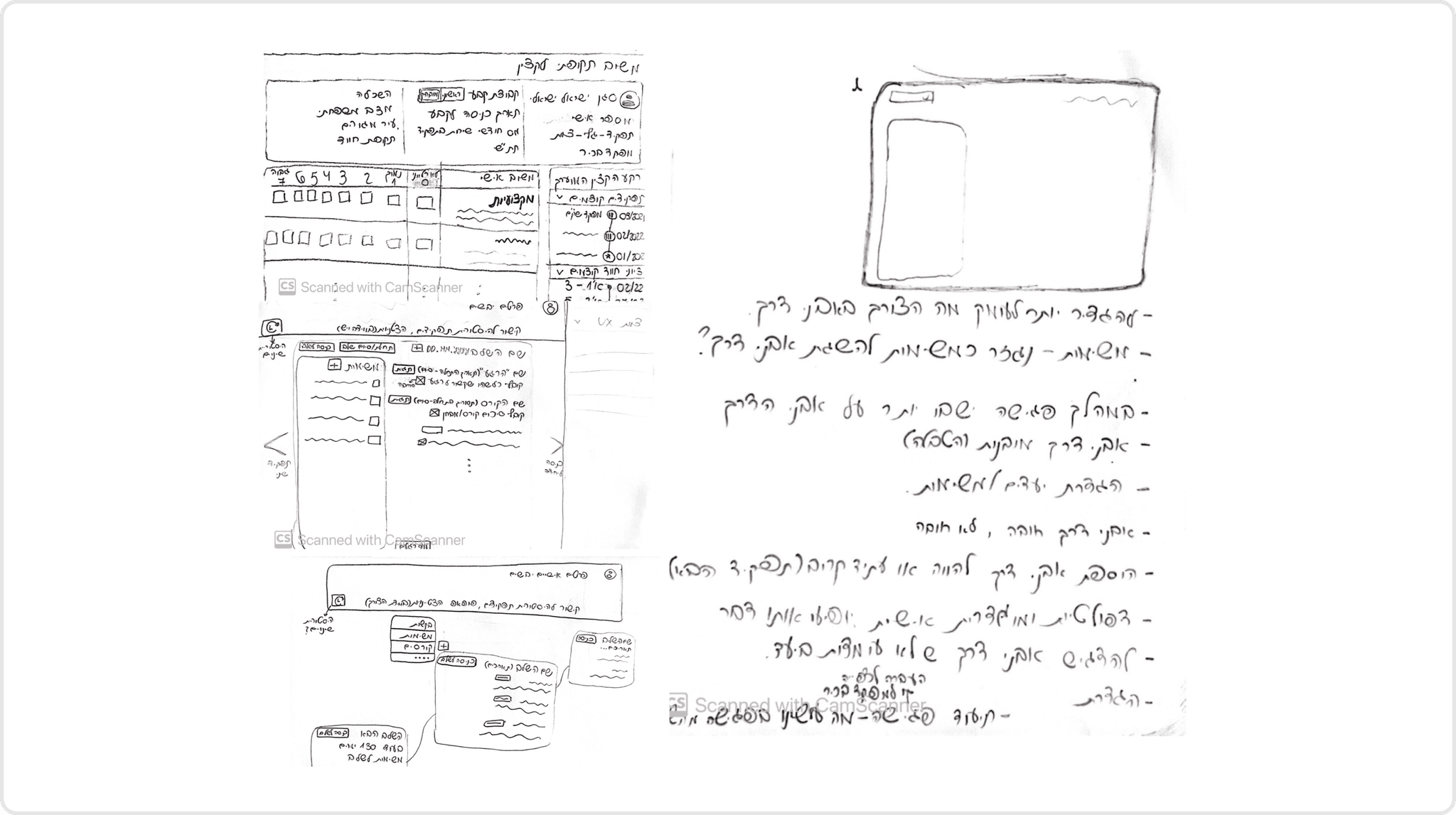
Before I even begin designing screens in Figma, it's crucial for me to document my thoughts, define screen requirements, and sketch out initial concepts. This process, often done with just a pencil and paper, helps me develop my ideas, explore various possibilities, and sometimes even allows me to share early concepts with the Product Manager. This collaboration helps refine ideas before diving into the actual high-fidelity design.
Here are a few examples of pages I worked on during the initial stages
chevron-right
First, always use a pencil and paper!
Before I even begin designing screens in Figma, it's crucial for me to document my thoughts, define screen requirements, and sketch out initial concepts. This process, often done with just a pencil and paper, helps me develop my ideas, explore various possibilities, and sometimes even allows me to share early concepts with the Product Manager. This collaboration helps refine ideas before diving into the actual high-fidelity design.
Here are a few examples of pages I worked on during the initial stages
First, always use a pencil and paper!
Before I even begin designing screens in Figma, it's crucial for me to document my thoughts, define screen requirements, and sketch out initial concepts. This process, often done with just a pencil and paper, helps me develop my ideas, explore various possibilities, and sometimes even allows me to share early concepts with the Product Manager. This collaboration helps refine ideas before diving into the actual high-fidelity design.
Here are a few examples of pages I worked on during the initial stages
Note:
For the best experience, viewing the prototype on a desktop screen is better
And now, for the main event
And now, for the main event
From Insights to Impact: Designing a New Era of Career Management
From Insights to Impact: Designing a New Era of Career Management
From Insights to Impact: Designing a New Era of Career Management
Based on the key insights we achieved though the research, I focused on transforming the old process from a rigid, annual burden into a dynamic, user-centered ecosystem. Every design decision was aimed at restoring trust, ensuring relevance, and fostering a continuous dialogue between soldiers and commanders.
Based on the key insights we achieved though the research, I focused on transforming the old process from a rigid, annual burden into a dynamic, user-centered ecosystem. Every design decision was aimed at restoring trust, ensuring relevance, and fostering a continuous dialogue between soldiers and commanders.
Based on the key insights we achieved though the research, I focused on transforming the old process from a rigid, annual burden into a dynamic, user-centered ecosystem. Every design decision was aimed at restoring trust, ensuring relevance, and fostering a continuous dialogue between soldiers and commanders.
The Modern Command Center
The Modern Command Center
Evident Disengagement
To combat years of disengagement, I designed a clean, intuitive interface that reduces cognitive load. By integrating personal data and a professional aesthetic, the system now feels like a high-end management tool rather than a generic military form.
To combat years of disengagement, I designed a clean, intuitive interface that reduces cognitive load. By integrating personal data and a professional aesthetic, the system now feels like a high-end management tool rather than a generic military form.
To combat years of disengagement, I designed a clean, intuitive interface that reduces cognitive load. By integrating personal data and a professional aesthetic, the system now feels like a high-end management tool rather than a generic military form.
Building Dynamic Growth Roadmaps
Building Dynamic Growth Roadmaps
Clear Demand for Continuous Development
We replaced static, once-a-year process with a fluid milestone system. This flow allows soldiers to easily build or adapt their career path using a repository of predefined goals or custom milestones, ensuring their development plan remains relevant in a dynamic military environment.
We replaced static, once-a-year process with a fluid milestone system. This flow allows soldiers to easily build or adapt their career path using a repository of predefined goals or custom milestones, ensuring their development plan remains relevant in a dynamic military environment.
Improved Goal-Setting Form
Improved Goal-Setting Form
Lack of Value and Relevance
This process shifts the focus from 'ticking boxes' to genuine self-expression. By creating a user-led form, we allow soldiers to voice their true aspirations and challenges, which are then escalated directly to the relevant commanders to initiate a meaningful career conversation.
This process shifts the focus from 'ticking boxes' to genuine self-expression. By creating a user-led form, we allow soldiers to voice their true aspirations and challenges, which are then escalated directly to the relevant commanders to initiate a meaningful career conversation.
Long-term Usage
Long-term Usage
Absence of Accountability and Follow-Through
This view demonstrates the system's long-term value. It showcases the closing of the feedback loop: commanders can monitor progress, provide direct feedback on forms, and assign new tasks based on the soldier’s evolving needs, turning the process into a living, breathing partnership.
This view demonstrates the system's long-term value. It showcases the closing of the feedback loop: commanders can monitor progress, provide direct feedback on forms, and assign new tasks based on the soldier’s evolving needs, turning the process into a living, breathing partnership.
Summary
Summary
Summary
The Road to Deployment
The Road to Deployment
The Road to Deployment
The journey of Ofex is just beginning. While the system is still in the development phase and has yet to be fully deployed, the anticipation among the units is felt. Throughout the design process, I received consistent feedback from both soldiers and commanders who are eager to finally embrace a tool that truly speaks their language.
Building this system taught me that UX in a military environment isn't just about efficiency, it's about restoring trust. By creating a platform that prioritizes relevance and continuous dialogue, we are setting the stage for a more engaged and empowered workforce.
I am incredibly proud of how this project evolved from a deep-rooted pain point into a solution that people are genuinely waiting to use. I look forward to seeing the first generation of soldiers navigate their career paths through the interface we’ve built.
The future of personal development is almost here!
The journey of Ofex is just beginning. While the system is still in the development phase and has yet to be fully deployed, the anticipation among the units is felt. Throughout the design process, I received consistent feedback from both soldiers and commanders who are eager to finally embrace a tool that truly speaks their language.
Building this system taught me that UX in a military environment isn't just about efficiency, it's about restoring trust. By creating a platform that prioritizes relevance and continuous dialogue, we are setting the stage for a more engaged and empowered workforce.
I am incredibly proud of how this project evolved from a deep-rooted pain point into a solution that people are genuinely waiting to use. I look forward to seeing the first generation of soldiers navigate their career paths through the interface we’ve built.
The future of personal development is almost here!
Let’s make some magic together!
Feel free to reach out for any questions or collabs :)
copyright
2025 Ziv Avni - All rights reserved
Let’s make some magic together!
Feel free to reach out for any questions or collabs :)
copyright
2025 Ziv Avni - All rights reserved
Let’s make some magic together!
Feel free to reach out for any questions or collabs :)
copyright
2025 Ziv Avni - All rights reserved